Gas-powered fire pits, grills, ranges, dryers, fireplaces, patio heaters, water heaters, pool heaters, generators, and other appliances depend on more than a simple connection to a fuel source. The piping system has to deliver enough gas at the correct pressure while remaining accessible, protected, and properly sized for the equipment it serves.
Safe gas lines begin with planning. Appliance demand, pipe length, fuel type, routing, shutoff locations, ventilation, and local requirements all influence how a system should be designed. When these details are evaluated before installation, homeowners and contractors can reduce pressure problems, avoid difficult future modifications, and support dependable appliance performance.
Correct Sizing Helps Appliances Perform As Intended
Every gas appliance has a fuel-demand rating, commonly measured in BTUs. A system serving several appliances must be able to supply the combined demand when more than one unit operates at the same time. An undersized line can contribute to weak flames, inconsistent operation, or pressure problems.
Important sizing factors include:
- Total BTU demand from connected appliances
- Distance between the gas source and appliance
- Natural gas or propane requirements
- Existing system capacity and available pressure
- Number of appliances likely to operate together
- Future additions that may increase total demand
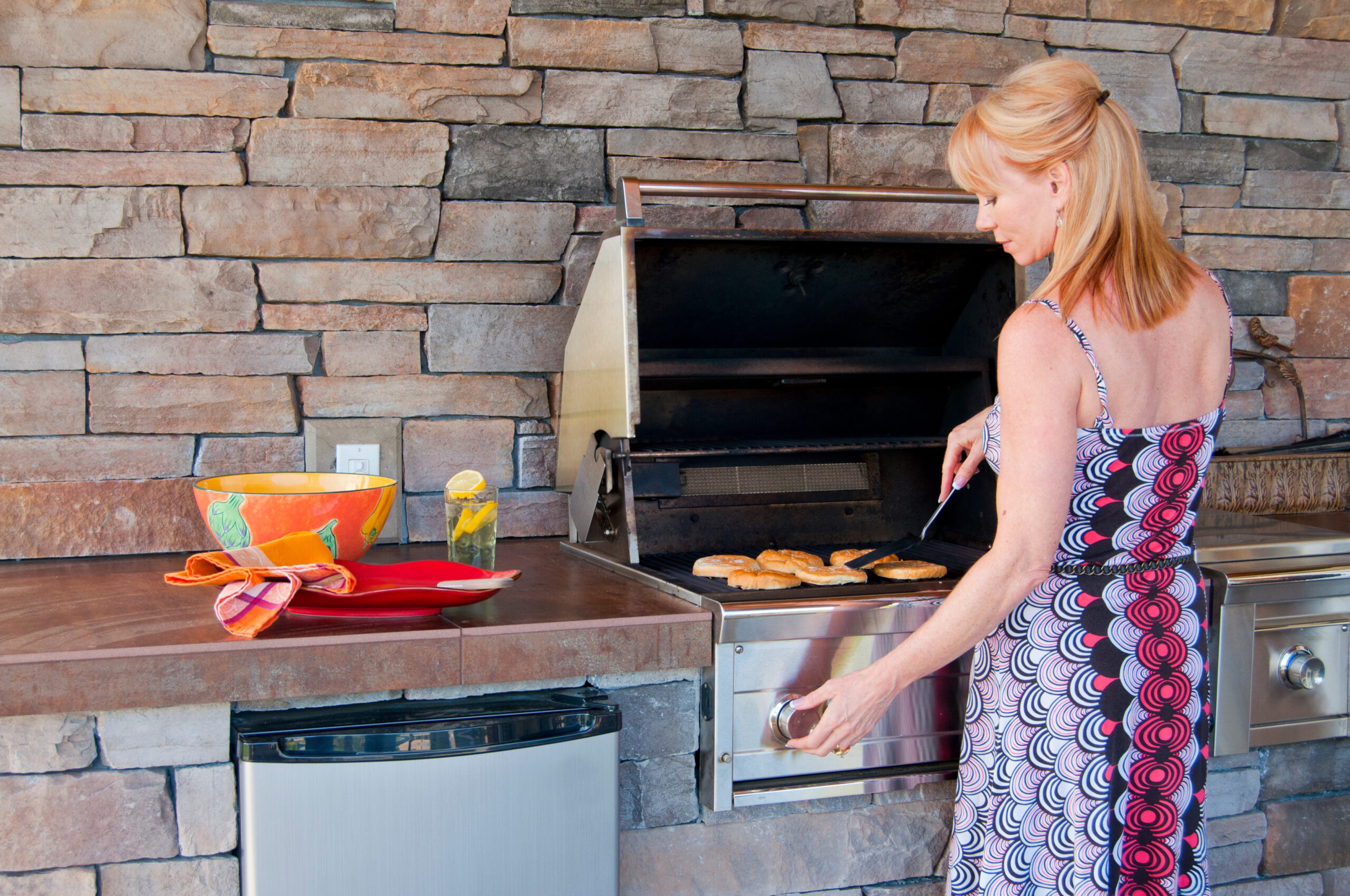
Outdoor projects require planning before permanent surfaces are finished. The guidance for outdoor kitchen planning explains why appliance demand, line routing, trenching, ventilation, shutoff placement, and inspection access should be considered before patios, counters, or islands make changes more difficult.
Proper sizing is not simply about producing a strong flame. It helps the entire system deliver fuel predictably when demand changes, which is important when grills, fire features, heaters, or other appliances share the same supply.
Routing And Installation Affect Long-Term Safety
Gas piping may pass through walls, crawl spaces, utility areas, or underground routes before reaching an appliance. Each installation needs materials and routing appropriate for the location, along with protection from physical damage, weather, and future construction.
Professional planning typically considers:
- Approved piping materials for indoor or outdoor conditions
- Accessible shutoff valves near appliances
- Protection for exposed or underground lines
- Clearance from structures and other utilities
- Ventilation around built-in gas equipment
- Pressure testing before the system is placed into service
Fire pits are a good example of why sequencing matters. Gas piping may need to be installed before a patio or finished fire-pit structure is completed. Adequate air and drainage openings, correct valve placement, and accessible mechanical components also support safe operation.
Well-planned gas fire pits can make outdoor spaces more usable, but the visible burner is only the final part of the system. The line supplying it must be correctly routed, sized, tested, and connected before normal use.
The same principle applies to grills and household appliances. A new range, dryer, water heater, fireplace, or generator may require more than connecting to an existing stub. The capacity of the upstream piping should be checked so the added appliance does not place unexpected demand on the rest of the system.
Testing And Qualified Work Support Reliable Operation
Gas systems should be evaluated as complete systems rather than collections of individual appliances. New piping, repairs, replacements, or capacity upgrades can affect pressure and performance elsewhere, making professional testing important before equipment is put into service.
Qualified technicians may need to:
- Pressure-test newly installed or modified piping
- Check accessible fittings, valves, and connections
- Confirm appliance demand against line capacity
- Evaluate gas pressure when multiple appliances operate
- Verify that required permits and inspections are completed
- Preserve access for future maintenance and appliance replacement
Safe gas lines also depend on recognizing when professional evaluation is necessary. A sulfur-like or rotten-egg odor can indicate a possible gas leak because natural gas and propane are odorized for detection. Anyone who suspects a leak should move away from the area and seek qualified assistance from a safe location rather than attempting to locate or repair the source personally.
Long-term access is another important design consideration. Shutoff valves, regulators, appliance connections, and testing points should remain reachable after cabinets, masonry, patios, or other finishes are installed. Future appliance replacement becomes much easier when technicians can inspect or isolate the line without unnecessary demolition.
Gas-system planning is especially valuable when a property may add appliances later. A homeowner who begins with a grill may eventually want a fire pit, patio heater, pizza oven, or larger outdoor kitchen. Considering realistic future demand during the first project can make later upgrades easier to evaluate.
The strongest installations connect appliance needs with system capacity, routing, ventilation, testing, and future service access. These details are difficult to judge from the appliance connection alone. Professional gas-line work provides the calculations, inspection, and testing needed to understand how the entire system will behave under real operating conditions.
Build Every Flame On A Safer Foundation
For professional gas-line installation, repair, replacement, testing, fire-pit work, grills, and appliance connections, contact The Gas Connection. The company also maintains OQ Qualification, allowing qualified personnel to perform applicable covered gas-system tasks on sites where properly qualified personnel are required.