An outdoor kitchen can add convenience and flexibility to a backyard, but gas planning should happen before countertops, patios, grills, or other permanent features are finalized. The gas system has to support the appliances safely, deliver the right pressure, and remain accessible for inspection and future service.
A well-planned outdoor kitchen gas project starts with the entire layout, not just the grill connection. Appliance demand, fuel type, line distance, pipe size, shutoff locations, trenching, ventilation, and code requirements all affect how the system should be designed.
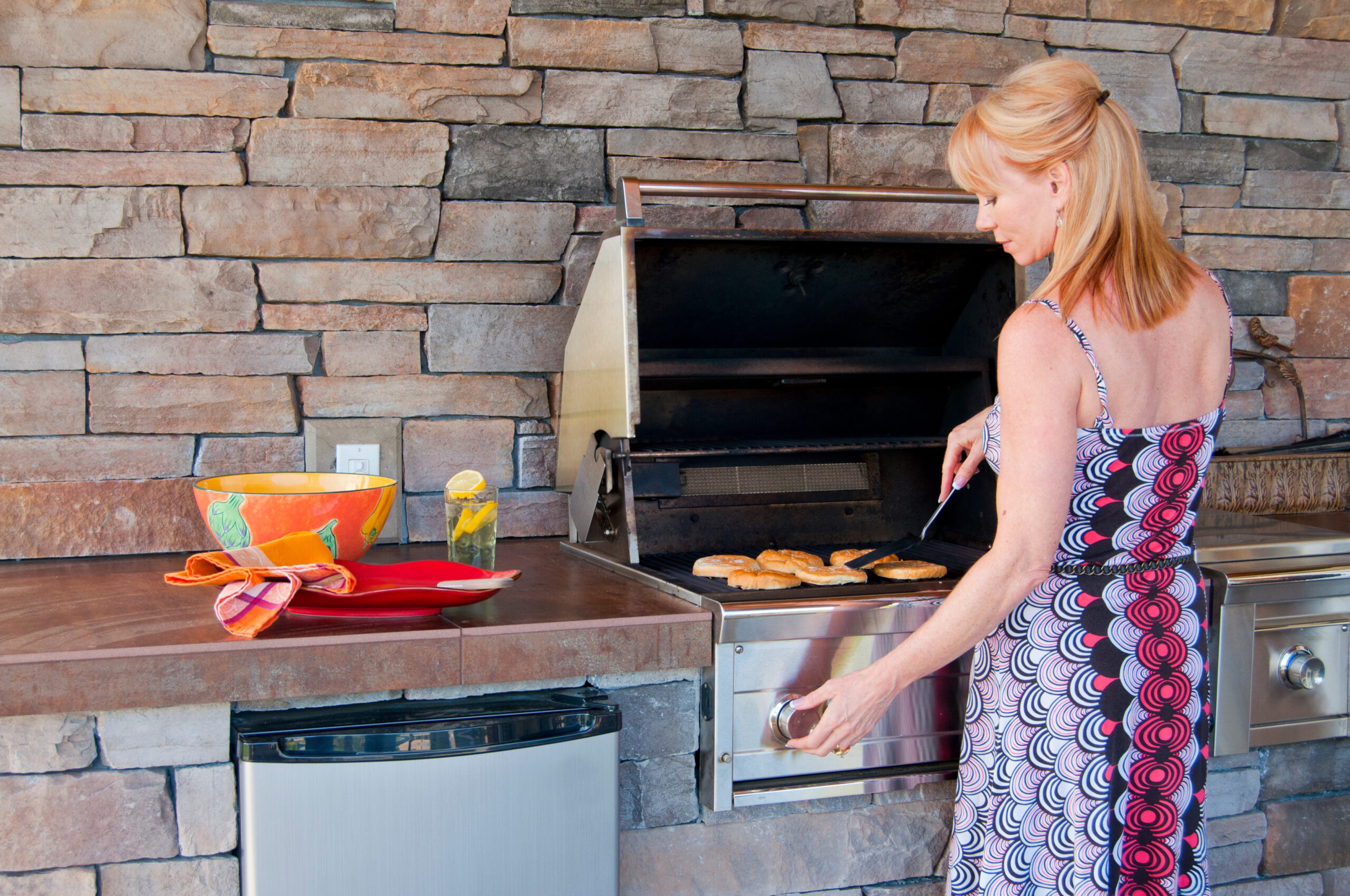
Confirm Appliance Demand Before Sizing The Gas Line
Every gas appliance has a fuel-demand rating, commonly measured in BTUs. A built-in grill, pizza oven, side burner, patio heater, or fire feature can place a substantial load on the system, especially when several appliances may operate at the same time.
Important planning details include:
- Listing every gas appliance planned for the outdoor kitchen
- Checking each appliance’s rated BTU demand
- Considering which appliances may operate simultaneously
- Measuring the distance from the gas source to the kitchen
- Evaluating the existing gas-system capacity and pressure
- Allowing for realistic future additions when appropriate
An undersized line can lead to weak flames, inconsistent performance, or pressure problems when multiple appliances run together. Correct sizing requires calculations based on total demand, pipe length, fuel type, and the existing system.
Plan Routing Before Patios And Hardscape Are Finished
Gas piping often needs to travel beneath or around permanent outdoor features. The best route should be determined before a finished patio, island, retaining wall, or walkway makes access difficult.
Professionals evaluate existing utilities, landscaping, appliance locations, required clearances, trenching conditions, and inspection access before installation begins. This planning can reduce the chance that completed hardscape must later be opened to correct routing or reach a buried line.
Outdoor kitchens also need accessible shutoff valves and connections placed where they can be serviced. If future appliances are part of the plan, discussing them before the first line is installed may help the system accommodate later additions.
Check Safety, Ventilation, And Signs Of Leakage
Outdoor gas appliances need proper airflow, secure connections, approved materials, and a system that has been tested before use. Outdoor conditions do not make a gas leak harmless. Gas can accumulate in enclosed cabinets, islands, covered areas, or poorly ventilated spaces.
Key safety considerations include:
- Using materials approved for the installation location
- Providing required ventilation around built-in appliances
- Keeping shutoff valves accessible
- Protecting exposed piping from damage and weather
- Pressure-testing new piping and connections
- Completing required inspections before normal operation
If a sulfur-like or rotten-egg odor develops, the possible gas causes should be taken seriously. Natural gas and propane are odorized so leaks can be noticed. Anyone who suspects a gas leak should move away from the area and seek professional assistance from a safe location rather than trying to locate or repair the leak personally.
Verify Permits, Inspection, And Technician Qualifications
Gas-line installation is regulated work, so local permits and inspection requirements should be addressed before the system is placed into service. Requirements can affect routing, materials, trench depth, pressure testing, appliance connections, and final approval.
Qualification also matters when a project involves regulated pipeline work or a site that requires personnel to be qualified for covered tasks. An OQ-qualified gas contractor can perform applicable covered work where qualified or certified personnel are required. OQ Qualification reflects documented training and evaluation for specified gas-system tasks rather than a general claim of experience.
For leak-related work, qualified gas technicians bring the training and evaluation needed to assess the system, recognize abnormal conditions, and complete covered work within the appropriate requirements.
Think About Long-Term Access And Future Service
A good outdoor kitchen should remain serviceable after construction is complete. Gas lines, valves, regulators, appliance connections, and testing points should not become inaccessible behind permanent finishes.
Before finalizing the project, consider:
- Keeping shutoff valves easy to reach
- Preserving access to appliance connections
- Avoiding unnecessary burial beneath future structures
- Planning for maintenance and appliance replacement
- Documenting line routes before surfaces are closed
- Scheduling professional testing when the system is modified
Outdoor kitchens often evolve. A homeowner may later add a larger grill, pizza oven, fire pit, or patio heater. Planning capacity and access early can make future changes easier to evaluate.
Long-term access matters because appliances and outdoor layouts can change over time. A valve hidden behind finished masonry or a line route blocked by later construction can complicate service. Planning clear access from the beginning helps future technicians inspect, test, isolate, or modify the system without unnecessary demolition.
The strongest outdoor kitchen gas setup begins before the first appliance is connected. Proper sizing, routing, ventilation, permits, testing, qualification, and future access work together to support safe and reliable performance while reducing the risk of costly reconstruction later.
Build The Gas System Before The Kitchen Is Finished
For professional outdoor kitchen gas planning, line installation, testing, and qualified gas-system work, contact The Gas Connection before finalizing your outdoor kitchen project.