A gas leak is not an ordinary household repair. Natural gas and propane systems follow strict safety requirements because damaged piping, loose fittings, corrosion, or improper appliance connections can create serious hazards. Restoring shut-off service may also involve permits, pressure testing, inspections, and utility coordination.
Certified gas technicians bring the training needed to evaluate the entire system rather than treating only the most obvious symptom. They understand how gas lines are sized, installed, tested, repaired, and returned to service. This approach helps protect occupants, property, appliances, and long-term system reliability.
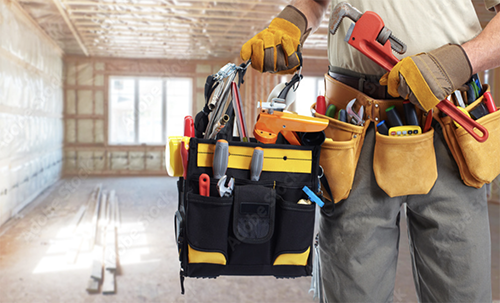
Certification Builds A Stronger Safety Foundation
Gas piping work requires more than general mechanical ability. Technicians must understand fuel-gas codes, pressure requirements, approved materials, appliance connections, ventilation concerns, and jurisdiction-specific procedures. Certification confirms that the person performing the work has completed relevant training and demonstrated competency.
Qualified technicians may be responsible for:
- Locating leaks through appropriate testing procedures
- Identifying corrosion, damaged fittings, and improper installation
- Selecting approved piping, valves, connectors, and repair methods
- Testing the repaired system before gas service is restored
- Documenting work for inspectors, utilities, and property owners
This knowledge is especially important when damage extends underground, behind finished surfaces, or across several branches. A repair that appears simple may affect system pressure, appliance operation, or code compliance elsewhere.
Delayed Repairs Can Increase The Risk
Gas leaks may begin with a sulfur-like or rotten-egg odor, a hissing sound, dead vegetation near an outdoor line, or a utility notice. These warning signs should never be minimized. The discussion of delayed leak repairs explains why postponement can leave a damaged line hazardous.
If gas is suspected, occupants should leave the building, avoid switches, phones, appliances, flames, garage-door controls, and other possible ignition sources, then contact the utility company, fire department, or emergency services from a safe location. Leak location and repair should begin only after emergency responders have addressed the immediate danger.
Certified technicians take over the repair stage once the site is cleared. They can evaluate whether the issue involves one connection, an appliance branch, outdoor piping, underground lines, or a broader system problem.
OQ Qualification Expands Technician Readiness
Operator Qualification, commonly called OQ Qualification, is particularly important on projects where only approved personnel may work on gas systems. OQ-qualified technicians complete training, testing, evaluation, background screening, and other required qualification steps. This allows them to work where gas-system tasks are restricted to certified personnel, including certain utility, government, commercial, and regulated sites.
OQ-qualified work may involve:
- Above-ground and underground gas-line systems
- Leak detection, repair, replacement, and pressure testing
- Utility-related projects with documented personnel requirements
- Commercial sites with controlled access and compliance procedures
- Gas-system tasks requiring verified operator competency
Qualification does not replace local licensing, permits, or inspections. It adds another documented level of readiness. This reduces uncertainty about whether assigned technicians meet site personnel standards.
Emergency Response And Repair Are Different Steps
Emergency responders and utility personnel play a critical role when a gas odor is reported. They may secure the property, shut off gas at the meter, and determine when it is safe to reenter. They generally do not repair privately owned piping, so a licensed gas-line specialist is still needed.
The proper response to an indoor odor is outlined in gas safety steps. After the immediate emergency has been controlled, technicians may need to:
- Obtain the required permit for repair work
- Locate and expose the damaged section safely
- Repair or replace affected gas piping
- Conduct a pressure test on the system
- Coordinate inspection and utility reconnection
Red-tagged and yellow-tagged systems can involve different restoration procedures. Experienced technicians understand how local building departments, inspectors, and utility companies handle these situations, helping prevent avoidable delays while maintaining code compliance.
Complete Testing Protects Long-Term System Performance
A durable gas leak repair does not end when the damaged fitting or pipe section is replaced. The system must be tested to confirm that it holds pressure and that no additional leaks remain. Appliances may also need to be checked after service is restored to verify proper operation.
Certified technicians consider the complete system, including gas lines serving fireplaces, fire pits, ranges, cooktops, dryers, furnaces, water heaters, patio heaters, pool heaters, barbecues, generators, and other natural gas or propane appliances. They can determine whether existing piping is damaged, improperly sized, corroded, or no longer suitable for current demand.
A professional repair process may also identify whether replacement is more appropriate than a localized fix. Older piping, multiple weak points, environmental damage, or previous improper work can change the safest recommendation.
Gas systems require precise decisions because small errors can have serious consequences. Certification, OQ Qualification, licensing, testing, and inspection experience give technicians the framework to perform those decisions responsibly. Property owners benefit from repairs that address the source, meet applicable requirements, and support dependable operation.
Restore Your Gas System With Qualified Hands
Contact The Gas Connection for certified gas leak repair, testing, permits, inspections, and OQ-qualified service for residential and commercial gas systems.