A well-planned gas fire pit can make an outdoor area more comfortable, functional, and inviting through more of the year.
That planning matters because a gas fire pit is connected to a fuel system. The line must deliver the correct capacity and pressure, the installation must meet applicable code requirements, and the finished feature should fit naturally into the outdoor layout. When those details are handled correctly, the result is easier to use and better suited to long-term outdoor living.
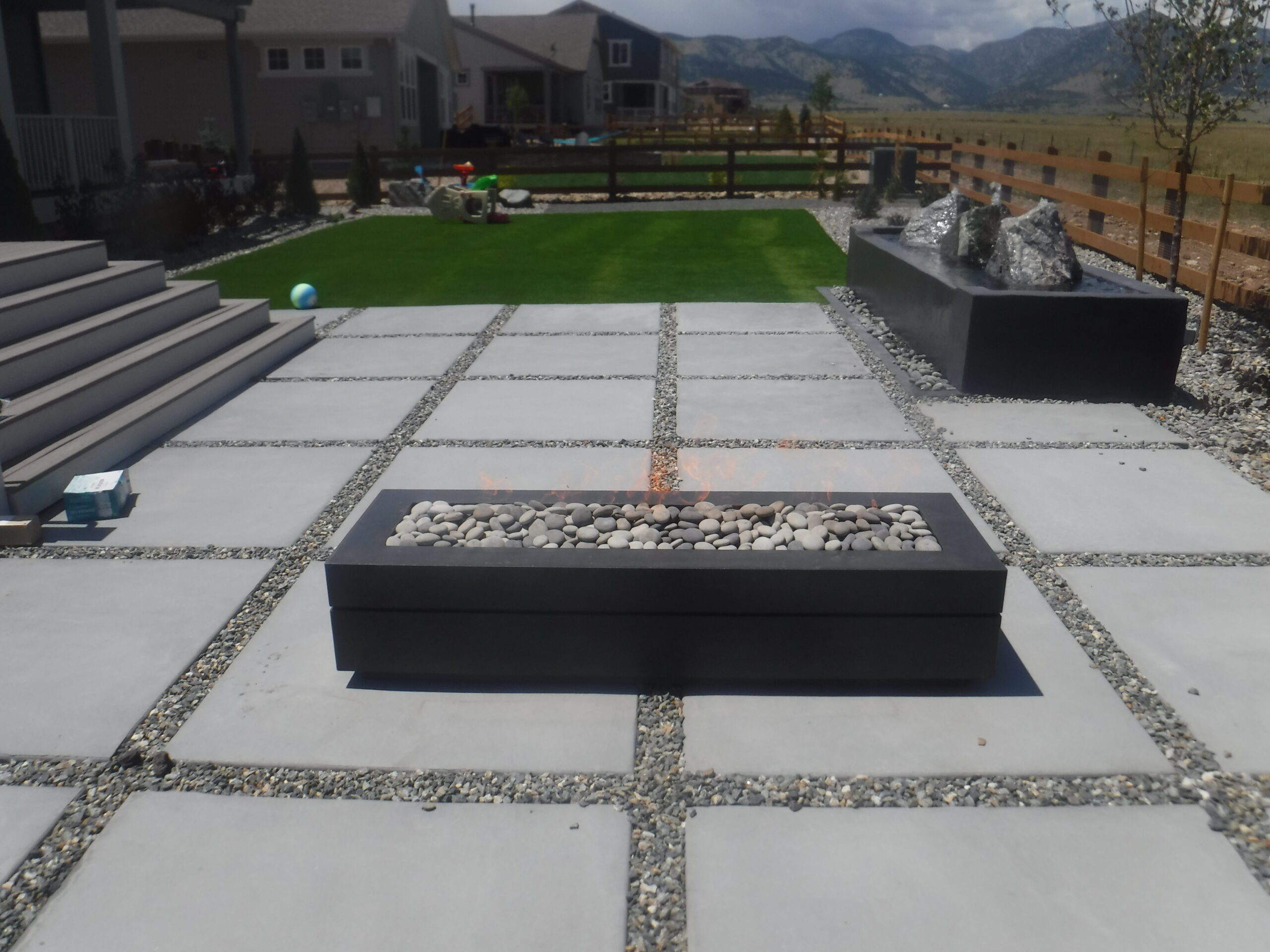
A Gas Fire Pit Creates A More Usable Gathering Space
Outdoor spaces become more useful when they have a clear focal point. A fire pit can define a seating area and give family members or guests a natural place to gather during cool evenings.
A professionally planned installation can support:
- Comfortable seating arranged around a central feature
- Easier entertaining during cooler parts of the year
- A cleaner fuel setup without storing firewood
- Consistent flame control through a dedicated gas supply
- Integration with patios, outdoor kitchens, or landscape features
- A finished look that complements the surrounding materials
Custom gas fire pits can be built around the shape, stone, size, and layout of the property, while prefabricated models can offer a more straightforward option when space or construction time is limited. In either case, the fuel connection should be planned before final construction closes access to the installation area.
Proper Gas-Line Sizing Supports Reliable Performance
A fire pit burner has a specific fuel demand, usually expressed in BTUs. The gas line must be sized according to that demand, the distance from the meter or supply point, available pressure, and the needs of other gas appliances already connected to the system.
This is why gas-line sizing is a key part of a dependable installation. A line that cannot provide the required capacity can affect flame performance and may not support the appliance as intended.
Professional installation also includes pressure testing and code-related checks before the project is completed. The route, pipe material, burial depth when applicable, fittings, shutoff components, and connection details all need to suit the specific project.
Fire Pit Design Should Account For Airflow And Drainage
The structure surrounding the burner is just as important as the visible flame. Outdoor fire pits are exposed to rain, snow, ice, wind, and changing temperatures, so the design should allow moisture to drain and heat to move safely.
Important planning details can include:
- Using non-combustible materials where required
- Providing adequate air and drainage openings
- Keeping the burner supported at the correct height
- Positioning the key valve where it remains accessible
- Allowing enough interior space for mechanical components
- Coordinating the gas-line stub with the final fire-pit dimensions
Drainage helps limit standing moisture around internal components, while ventilation supports proper operation and reduces unwanted heat buildup beneath the burner area. These details are easier to handle before masonry, concrete, or patio work is finalized.
Qualified Gas-Line Work Adds Confidence To The Project
Gas systems require trained personnel who understand pressure, capacity, materials, testing, and code requirements. For projects on sites with stricter personnel requirements, qualifications can matter as much as installation experience.
The value of OQ-qualified installers is especially relevant on sites where only certified personnel are permitted to work on gas systems. Operator Qualification involves training, national testing, evaluation, background checks, and drug testing for covered work.
OQ Qualification allows properly qualified installers to work on gas lines above or below ground within the scope of their covered tasks. For homeowners and contractors, that additional qualification provides confidence that the technician has been evaluated for work involving regulated gas-system responsibilities.
Professional coordination also helps with permitting and inspections. A contractor who works regularly with local jurisdictions and utility requirements can plan the installation around the steps needed before the fire pit is placed into service.
Professional Installation Protects Long-Term Outdoor Enjoyment
A gas fire pit should not only look good on installation day. The system needs to remain practical, serviceable, and dependable as the outdoor space changes over time.
A complete installation plan may include:
- Confirming the fire pit location before trenching begins
- Calculating gas demand and required line size
- Selecting approved piping and fittings for the application
- Testing the installed line before final hookup
- Coordinating inspections before hardscape work closes access
- Completing the burner, valve, and final mechanical setup correctly
These steps protect the investment by reducing the chance that finished patios or landscaping need to be disturbed later because a line was undersized, routed poorly, or placed in the wrong location.
The goal is a fire feature that feels like a permanent part of the outdoor living area rather than an accessory added without enough planning.
Build The Fire Feature Around The Way You Live
For professional gas fire pit planning, gas-line installation, testing, and final setup, contact The Gas Connection to create an outdoor feature built for safe, reliable, long-term use.