A gas line repair is not complete simply because a damaged section of piping has been replaced or a leaking connection has been tightened. Before gas service returns, the repaired system needs to be tested to confirm that the work corrected the problem and that the piping can safely hold pressure. That verification matters in homes, businesses, and other properties where natural gas or propane serves appliances.
Our team treats testing as a required part of professional gas line repair. We evaluate the repaired section, connected piping, fittings, valves, and relevant appliance connections before normal operation resumes. This helps confirm that the system is ready for the next step, including inspection or utility coordination when those requirements apply.
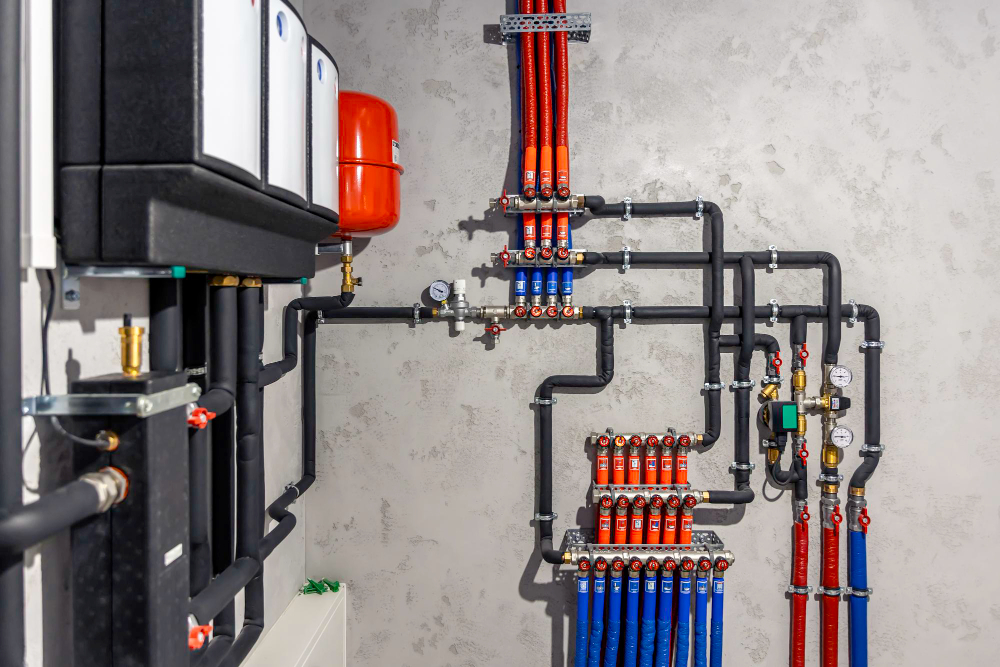
Testing Confirms The Repair Solved The Actual Leak
Gas can escape from damaged pipe, loose fittings, failed connections, or other parts of a system. Finding one problem does not automatically prove there are no additional leaks nearby. Professional testing gives technicians a way to verify the repair rather than relying on odor, appearance, or assumptions.
Our guide to gas leak detection explains why locating the source accurately matters before and after repair. Once work is completed, testing helps confirm that the affected section and surrounding system are performing as expected.
A post-repair evaluation may include:
- Checking repaired piping and fittings for leakage
- Performing pressure testing when required for the system
- Reviewing valves and connections affected by the repair
- Confirming that no additional leak points are present
- Documenting results needed for permits or inspections
- Coordinating the next step before gas service is restored
Testing turns the repair from a physical fix into a verified result.
Service Restoration May Require More Than Finishing The Repair
When a utility company has shut off gas because of a leak, service may not simply be turned back on as soon as the contractor finishes working. Local requirements can involve permits, inspection, pressure testing, and utility approval before gas is restored.
Our technicians are familiar with gas-line installation, gas leak repair, replacement, appliance connections, and the inspection process associated with service restoration. That experience matters because delays can occur when testing or paperwork is incomplete.
Important parts of the restoration process can include:
- Confirming the repaired system holds the required test pressure
- Completing permit requirements for the jurisdiction
- Arranging required inspection of the repaired gas piping
- Addressing any additional issues found during testing
- Coordinating with the utility when service has been shut off
- Verifying that gas appliances can be returned to service appropriately
Professional oversight keeps these steps organized and helps prevent a repair from reaching the utility or inspection stage before the system is actually ready.
Testing also protects against a common misconception that a lack of odor means the problem is gone. Gas odor may not always provide a reliable measure of system integrity after repair. A formal test provides objective information that technicians, inspectors, and utilities can use when determining whether service can resume.
Qualified Technicians Help Keep Testing And Restoration Compliant
Gas-system testing requires knowledge of fuel-gas codes, approved materials, pressure requirements, appliance connections, and local procedures. The response is especially important after a suspected leak. Our guidance on gas leak safety reinforces that suspected leaks should be handled by qualified professionals rather than investigated or repaired as a do-it-yourself project.
Our team also maintains OQ Qualification, or Operator Qualification, for applicable covered gas-system tasks. This allows qualified personnel to work on sites that require certified workers for covered pipeline or gas-system activities. OQ requirements are task-specific, so the technician assigned must hold the appropriate qualification for the work being performed.
Qualified gas-line work may involve:
- Leak detection before the repair begins
- Repair or replacement of damaged gas piping
- Pressure testing after the repair is completed
- Gas-line installation for new appliances or equipment
- Appliance connections and related piping work
- Work on covered systems requiring OQ-qualified personnel
Testing is particularly important on commercial, utility-related, government, or other regulated sites where documentation and qualification requirements may be stricter.
A professional gas line repair should therefore be viewed as a sequence rather than a single task. The problem is identified, the damaged component is repaired or replaced, the system is tested, required inspections are completed, and service is restored only when the necessary conditions have been satisfied.
This sequence helps protect both the property and the people using it. It also reduces the risk of repeat leaks, failed inspections, delayed utility restoration, or additional repair work caused by an unverified system.
Testing provides the final confirmation that separates a completed repair from a system that is ready to return to operation. When gas service has been interrupted, that verification is not an optional extra. It is a critical part of completing the work correctly.
Restore Gas Service Only After The System Is Verified
If you need professional gas line repair, pressure testing, leak detection, replacement, or service-restoration support, contact The Gas Connection for qualified gas-line work, including OQ-qualified personnel for applicable covered tasks.