A suspected gas leak should always be treated as a safety issue, not a routine household repair. Natural gas is commonly odorized to make leaks easier to notice, but hissing sounds or unusual vegetation changes can also be warning signs.
The priority is getting everyone away from the area safely. After the property is secure, qualified professionals can locate the leak and determine what piping is affected.
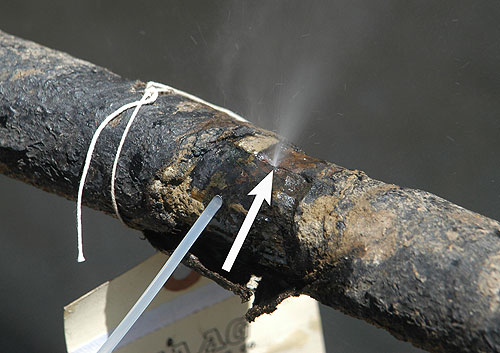
Recognize The Warning Signs And Leave Safely
The rotten-egg odor associated with natural gas is one of the best-known signs of a leak. A hissing or whistling sound near piping or an appliance connection can also indicate escaping gas. Outdoors, damaged underground lines may sometimes cause bubbling in wet areas, blowing dirt, or unusual patches of dead vegetation.
If a leak is suspected:
- Leave the home or affected area immediately
- Avoid turning electrical switches or appliances on or off
- Do not light matches, smoke, or create another ignition source
- Do not use a phone while still inside the affected building
- Keep other people away from the suspected leak area
- Call 911 and the gas utility from a safe location
Do not remain indoors trying to find the source. Official pipeline-safety guidance stresses leaving first because electrical equipment, flames, and other ignition sources can create additional danger when gas is present.
Let Qualified Professionals Locate And Repair The Leak
Once emergency responders or the utility have made the property safe, the next step is determining where the gas leak originated and what repair is required. Gas piping may run through walls, crawl spaces, yards, and underground sections, so the visible symptom does not always reveal the failure point.
This is where properly trained, certified gas technicians become important. Leak detection and repair require knowledge of gas piping, pressure testing, fittings, code requirements, permitting, and safe restoration of service. The company’s current service information likewise emphasizes trained and certified specialists for leak repair.
Professionals can test the system methodically, isolate affected sections, and determine whether a fitting can be repaired or damaged piping needs replacement. This avoids trial-and-error work where accuracy is essential.
Pay Attention To Underground Gas Line Warning Signs
Not every leak develops inside the house. Underground gas piping serving outdoor appliances or connecting sections of a property can also become damaged or deteriorate.
Possible outdoor warning signs include:
- Dead or discolored vegetation in an otherwise healthy area
- Persistent bubbling in standing water or saturated soil
- Hissing or unusual sounds coming from the ground
- Blowing soil or dust without an obvious explanation
- A gas odor noticeable near a buried line route
- Unexpected gas-service issues affecting outdoor equipment
Understanding underground leak signs can help property owners recognize when a buried line deserves immediate professional attention.
Do not dig around a suspected leak to investigate it. Excavation near gas piping can worsen existing damage or create a new release. The area should instead be evaluated by personnel equipped to locate and test underground lines safely.
OQ Qualification Matters On Regulated Gas Systems
Gas work is not simply about making a connection hold pressure. Certain sites and gas systems require personnel who meet specific operator-qualification standards before they can perform covered work.
OQ, or Operator Qualification, indicates that technicians have been trained, tested, and evaluated for designated gas-system tasks. The Gas Connection states that its installers are OQ Certified, allowing them to work on gas lines, including sites where qualified personnel are required. The company also describes qualification steps that include national testing, evaluations, background checks, and drug testing.
For homeowners and commercial property managers, qualifications matter because gas-line repairs may involve utility requirements, local codes, permits, inspections, and procedures for restoring service.
Choosing appropriately qualified personnel helps ensure that repair decisions are based on the system itself rather than a quick, one-time fix.
Safe Gas Leak Repair Includes Testing And Follow-Up
A complete repair should confirm that the system is safe after the damaged section has been addressed. That means identifying the source, correcting the failure, testing the piping, and completing any required permit or inspection process before normal gas service resumes. The company notes that restoring gas after a shutoff may require permitting and inspection depending on the circumstances.
A professional repair process may include:
- Inspecting accessible gas piping and appliance connections
- Pressure-testing the system to identify leakage
- Repairing or replacing the affected piping section
- Checking underground or exterior lines when evidence points outside
- Coordinating required permits or inspections
- Confirming system integrity before service is restored
Gas systems support furnaces, fireplaces, ranges, dryers, fire pits, grills, pool heaters, generators, and other natural-gas or propane appliances. Because a leak can affect the safety of the property, repair work should be approached as system-level work rather than an isolated household task.
The safest response starts with immediate evacuation and emergency notification. Once the immediate danger has been controlled, experienced gas-line specialists can handle detection, repair, testing, and restoration with the precision the system requires.
Put Safety First When Gas Is In Question
If your property needs professional gas leak detection or repair after the area has been made safe, contact The Gas Connection for qualified gas-line service, testing, and repair.