A gas fireplace can sit unused for months before cooler Colorado weather makes it part of the daily routine again. That long pause is one reason fall is a practical time to schedule service. Dust, worn components, ignition problems, gas-line concerns, and control issues may not become obvious until regular use resumes.
Our team treats seasonal fireplace service as a safety and performance check, not simply a cosmetic cleaning. A qualified technician can inspect the system, confirm that it starts and operates properly, and identify issues before colder weather increases demand. Professional service also helps homeowners avoid discovering a problem for the first time on a cold evening when the fireplace is needed most.
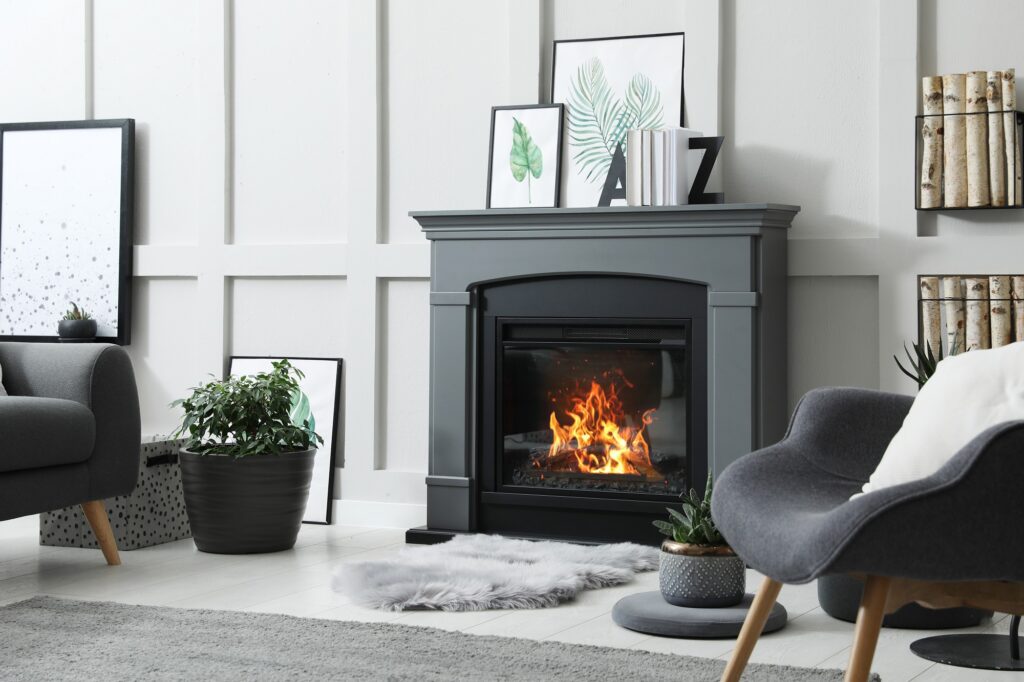
Fall Service Gives Technicians Time To Check Operation Before Peak Use
A seasonal visit can reveal problems that developed while the fireplace was idle. Ignition components may need adjustment, the burner area may need cleaning, and controls or remote functions may not respond as expected. The system should also be checked for gas leaks and proper operation before regular use resumes.
Our article on post-repair testing explains why testing is an important part of safe gas-system work whenever repairs affect piping or service restoration.
A professional fireplace service may include:
- Checking ignition and startup performance
- Inspecting the burner and visible fireplace components
- Cleaning areas that affect reliable operation
- Testing controls, switches, or remote functions
- Looking for signs that repair or replacement may be needed
- Confirming that the system operates properly before routine use
This early-season check gives homeowners time to address concerns before winter schedules become busier.
A Fireplace Problem Can Involve More Than The Appliance Itself
Not every fireplace issue begins inside the firebox. Gas supply, appliance connections, piping, pressure, and related components can affect how the system performs. That is why professional evaluation matters when a fireplace will not light, shuts down unexpectedly, produces unusual operation, or raises concerns about the gas system.
Our technicians work with gas fireplaces, gas inserts, gas log sets, free-standing stoves, fire pits, and other gas hearth products. When the concern extends to the gas line, the work may also involve leak detection, repair, replacement, pressure testing, permitting, or coordination with an inspection authority.
Important reasons for professional evaluation include:
- A fireplace that does not ignite consistently
- Controls that stop responding or operate unpredictably
- Suspected gas leaks or unusual gas odors
- A recent gas-line repair or appliance connection change
- A fireplace that has not been serviced for an extended period
- A system that needs repair before colder weather increases use
Gas work should not be approached as a trial-and-error project. Proper training, testing, and system knowledge help ensure that the fireplace and the fuel supply are evaluated together when necessary.
Qualified Gas-System Work Helps Protect The Path Back To Service
If a gas-system problem is serious enough for a utility company to tag or shut down service, restoring operation can involve more than fixing one visible defect. Our guide to utility-tag repairs outlines how repair, pressure testing, permits, inspections, and utility coordination may all be part of the process.
That wider expertise matters when fireplace concerns overlap with the building’s gas piping.
Professional gas-system work can include:
- Locating leaks with appropriate testing procedures
- Repairing or replacing damaged gas piping
- Pressure-testing repaired systems before service returns
- Coordinating permits and inspections when required
- Connecting gas fireplaces and other approved appliances
- Supporting safe restoration after required clearances are complete
For projects involving gas-line work beyond the fireplace itself, our installers also hold OQ, or Operator Qualified, certification. That qualification includes formal training, testing, evaluation, background checks, and drug testing. It allows qualified personnel to work on gas-line projects, including sites where certified personnel are required for covered gas-system tasks.
Fall service can therefore do more than prepare the fireplace for comfort. It can identify whether the concern is limited to cleaning or adjustment, whether a component needs repair, or whether the gas supply deserves closer evaluation.
Timing also matters. Our fireplace guidance advises homeowners not to wait until winter to schedule service. While late spring or summer can offer scheduling advantages, fall still provides a valuable window before the heaviest seasonal use begins. A service visit completed before sustained cold weather can reduce the chance of discovering an ignition or performance issue during peak fireplace season.
Regular maintenance also helps preserve dependable operation. A standard service call may take about an hour depending on the scope, and many fireplaces primarily need cleaning and adjustment. More involved concerns may require additional repair or replacement.
A gas fireplace combines combustion, controls, gas supply, and appliance components in one system. Professional service gives each of those areas appropriate attention rather than focusing only on appearance. When fall arrives, that makes seasonal maintenance a practical step toward safer, more reliable winter use.
Make Sure The First Cold Night Starts With Confidence
Before regular winter use begins, contact The Gas Connection for professional gas fireplace service, maintenance, repair, gas-line testing, and qualified support for related gas-system concerns.