Homes with several gas-powered appliances need more than a working connection at each fixture. A range, dryer, fireplace, fire pit, BBQ, pool heater, gas insert, gas log set, or generator can all place different demands on the same fuel system. When these appliances are added over time, the gas layout may become more complicated than it looks from the outside.
That is why gas line safety should be treated as a whole-home issue, not a single-appliance concern. Safe performance depends on proper sizing, correct materials, accessible shutoff valves, sound connections, and careful inspection. A system may appear normal during light use, then show problems when several appliances run at once.
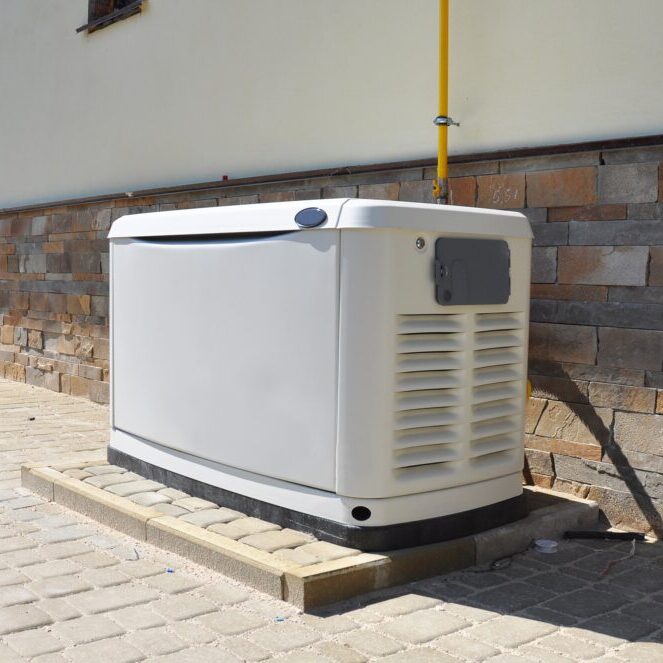
Plan capacity before adding another appliance
Every appliance needs the right fuel supply to operate safely and efficiently. A fireplace may not demand the same volume as a generator, pool heater, BBQ, or range, but all of them still draw from a connected system. When a new appliance is added without reviewing overall capacity, the result may be weak performance, inconsistent flames, delayed ignition, or unnecessary strain on the line.
Professional planning matters because gas-line sizing is not guesswork. It considers appliance input, distance from the meter, pipe material, pressure needs, fittings, and the number of appliances already connected. This is especially important in homes where indoor and outdoor gas features have been added in stages.
For deeper context, this article on licensed professionals explains why qualified installation is important for code compliance and safe long-term operation.
- Capacity: Size the line for the full appliance load, not just the nearest connection point.
- Placement: Position appliances with safe routing, ventilation, and accessible shutoff locations in mind.
- Materials: Use approved materials, fittings, and installation methods for each line location.
- Future use: Plan for likely upgrades, such as an outdoor kitchen, fireplace, or generator.
Keep shutoff valves, vents, and appliance areas easy to reach
Multiple gas appliances create more points that need regular attention. Shutoff valves should never be blocked by storage, furniture, landscaping, patio equipment, or seasonal items. In an emergency, every second matters, and a valve that cannot be reached quickly can turn a manageable concern into a higher-risk situation.
Ventilation is just as important. Gas fireplaces, ranges, dryers, and outdoor features need clear air movement for safe combustion and performance. Blocked vents, crowded appliance rooms, or debris around outdoor burners can interfere with how an appliance operates. Even when the gas line itself is sound, poor airflow can create warning signs that need professional review.
- Access: Keep shutoff valves visible, reachable, and free from clutter throughout the year.
- Ventilation: Maintain open air pathways around fireplaces, dryers, ranges, and outdoor gas features.
- Flame quality: Watch for irregular flames, soot, delayed ignition, or sudden appliance changes.
- Odor response: Leave the area and contact emergency services if the gas odor is strong or persistent.
Schedule inspections before peak appliance use
Gas systems often work hardest during seasonal changes. Fireplaces and gas logs may sit unused before cold weather. BBQs, fire pits, pool heaters, and outdoor kitchens may see heavier use when warmer months arrive. These usage shifts make inspection timing important, especially in homes with several appliances connected to the same system.
A professional inspection can identify concerns that may not be obvious during everyday use. These may include aging connections, undersized lines, weather exposure, corrosion, loose fittings, improper routing, or signs that an appliance is not receiving the right supply. For outdoor systems, weather, soil movement, insects, moisture, and patio renovations can also affect performance over time.
This resource on spring inspections explains why early review matters before appliances move into heavier service.
- Timing: Schedule inspections before heavy fireplace, grill, fire pit, or pool-heater use begins.
- Connections: Have fittings, valves, and appliance hookups reviewed for long-term performance.
- Outdoor lines: Check exposed areas, underground routes, and weather-affected features for wear.
- Repairs: Address small concerns before they interrupt comfort, cooking, heating, or outdoor use.
Treat gas-line changes as professional work
A home with multiple appliances can hide complex gas-line routing behind walls, under patios, across mechanical rooms, or through outdoor spaces. Because one change can affect the rest of the system, gas-line work should never be treated like a simple swap. Installation, repair, replacement, extension, and appliance hookup all require the right tools, code knowledge, and pressure-testing procedures.
Professional service is especially important when converting an appliance, adding a generator, installing a BBQ line, extending service to a fire pit, or replacing an older connection. The goal is not only to make the appliance turn on. The real goal is safe, stable, code-aware performance across the entire system.
Good gas line safety comes from careful planning and consistent oversight. When every appliance is connected properly, maintained thoughtfully, and inspected at the right intervals, the home can enjoy reliable comfort without avoidable risk.
Keep Every Gas Appliance Working With Confidence
For professional gas-line installation, repair, inspection, fireplace service, outdoor gas features, and appliance connections, contact The Gas Connection.