Gas-powered appliances play an important role in many homes, supporting heating systems, water heaters, fireplaces, stoves, dryers, and outdoor features. While these systems offer efficiency and convenience, the installation process requires careful planning, technical knowledge, and strict attention to safety standards. Even small installation mistakes can create serious long-term concerns involving leaks, pressure imbalance, appliance malfunction, or structural risk.
This is why gas line installation should always be handled by licensed professionals. Proper installation involves more than simply connecting a pipe. It requires evaluating appliance demand, local code requirements, pipe sizing, ventilation considerations, pressure testing, and long-term system performance. Professional oversight helps ensure the entire system operates safely and consistently over time.
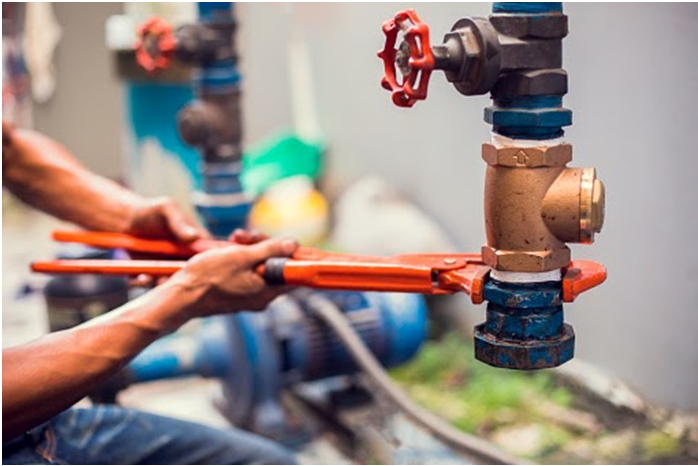
Gas Line Installation Involves More Than Appliance Connection
Many homeowners assume installation focuses only on attaching a gas appliance to an existing line. In reality, the process often requires a much broader evaluation of the property’s infrastructure and gas demand. Licensed professionals assess how the system functions as a whole before installation begins.
- Appliance location affects pipe routing and ventilation planning
- Gas pressure requirements vary depending on appliance type
- Pipe sizing influences long-term system performance
- Local building codes determine installation standards
- Pressure testing helps identify hidden safety concerns
Improper sizing or poor installation practices may create uneven gas delivery throughout the property. Over time, this can affect appliance efficiency, increase wear on equipment, or create dangerous leak conditions.
Professional evaluations also help identify aging materials, corrosion risks, or existing vulnerabilities that homeowners may not recognize during planning. These details become especially important when adding new appliances to older gas systems already under strain.
Safety Risks Increase When Installations Are Handled Incorrectly
Gas systems require careful handling because even small leaks may create serious safety concerns. Improperly sealed fittings, damaged connectors, incorrect pressure levels, or poorly installed shut-off valves can all increase long-term risk inside the home.
Licensed professionals follow detailed procedures designed to reduce these hazards during and after installation.
- Leak testing helps verify system integrity before operation
- Proper ventilation reduces combustion-related concerns
- Shut-off valves improve emergency access when needed
- Secure fittings help prevent pressure-related failures
- Code-compliant materials support safer long-term performance
Gas leaks are not always immediately obvious. Some problems develop gradually behind walls, near appliances, or around fittings where homeowners may not notice early warning signs right away. Understanding how to respond quickly to possible warning indicators is also important. Homeowners can review these gas leak warning signs to better understand when immediate professional attention may be necessary.
Professional installation helps reduce the likelihood of these situations developing in the first place through careful inspection, testing, and system verification.
Licensed Professionals Understand Code Requirements
Building codes exist to support safe installation practices and protect both the structure and its occupants. Licensed gas professionals stay informed about local regulations involving pipe materials, ventilation standards, pressure requirements, appliance clearances, and inspection procedures.
These requirements may vary depending on the property type, appliance configuration, and municipal guidelines. Failing to meet code standards can create issues during inspections, renovations, insurance reviews, or future property sales.
Professional gas line installation helps ensure:
- Pipe routing follows approved safety guidelines
- Appliance clearances meet local code requirements
- Ventilation systems operate correctly and safely
- Pressure testing complies with inspection standards
- Materials meet approved installation specifications
This level of oversight becomes especially valuable during remodeling projects or appliance upgrades, where older systems may no longer match current code expectations. Licensed professionals can identify necessary adjustments before installation proceeds further.
Routine evaluations also support safer long-term operation after installation is complete. Homeowners interested in preventative oversight may benefit from reviewing these seasonal gas inspections before periods of heavier appliance use.
Long-Term System Reliability Depends On Proper Installation
Gas systems operate under consistent pressure for years, which means installation quality directly affects long-term reliability. Poor workmanship may not create immediate failure, but hidden weaknesses can gradually develop into more serious issues over time.
- Loose fittings may weaken under repeated pressure cycles
- Incorrect pipe sizing can strain appliance performance
- Corrosion risks increase when materials are improperly selected
- Poor routing may expose lines to unnecessary damage
- Inadequate support can affect long-term pipe stability
Licensed professionals evaluate how the system will function not only during installation day but also under regular long-term use. This broader perspective helps reduce future repair concerns while supporting more dependable appliance operation throughout the property.
Professional installation also improves documentation accuracy for future maintenance, inspections, and system upgrades. Homeowners gain clearer records regarding materials, routing, shut-off locations, and appliance connections, which simplifies future service needs later.
Reliable installation becomes especially important for households using multiple gas-powered systems simultaneously. Water heaters, fireplaces, stoves, outdoor kitchens, and heating systems may all place combined demand on the gas infrastructure. Proper planning ensures the system can safely support those requirements without unnecessary strain.
Protect Your Home With Professional Installation
Gas systems require careful planning, technical precision, and long-term safety considerations that extend far beyond basic appliance connection. Licensed professionals help ensure gas line installation meets code requirements, supports reliable performance, and reduces avoidable safety risks throughout the property. Proper installation also creates a stronger foundation for future inspections, maintenance, and appliance upgrades over time. For professional gas line installation and dependable system support, contact The Gas Connection.