A patio heater that ran perfectly in September can behave differently once Colorado temperatures drop. Cold starts, long periods of disuse, outdoor exposure, and changes in gas demand can reveal problems that were not obvious earlier. Before relying on a natural gas heater for winter gatherings, homeowners should check the appliance, connection, and surrounding area rather than opening the valve and hoping for heat.
We help Colorado homeowners prepare outdoor gas systems for colder conditions with attention to gas supply and safe operation. The goal is to catch small issues before the heater becomes difficult to light or develops symptoms that require professional service.
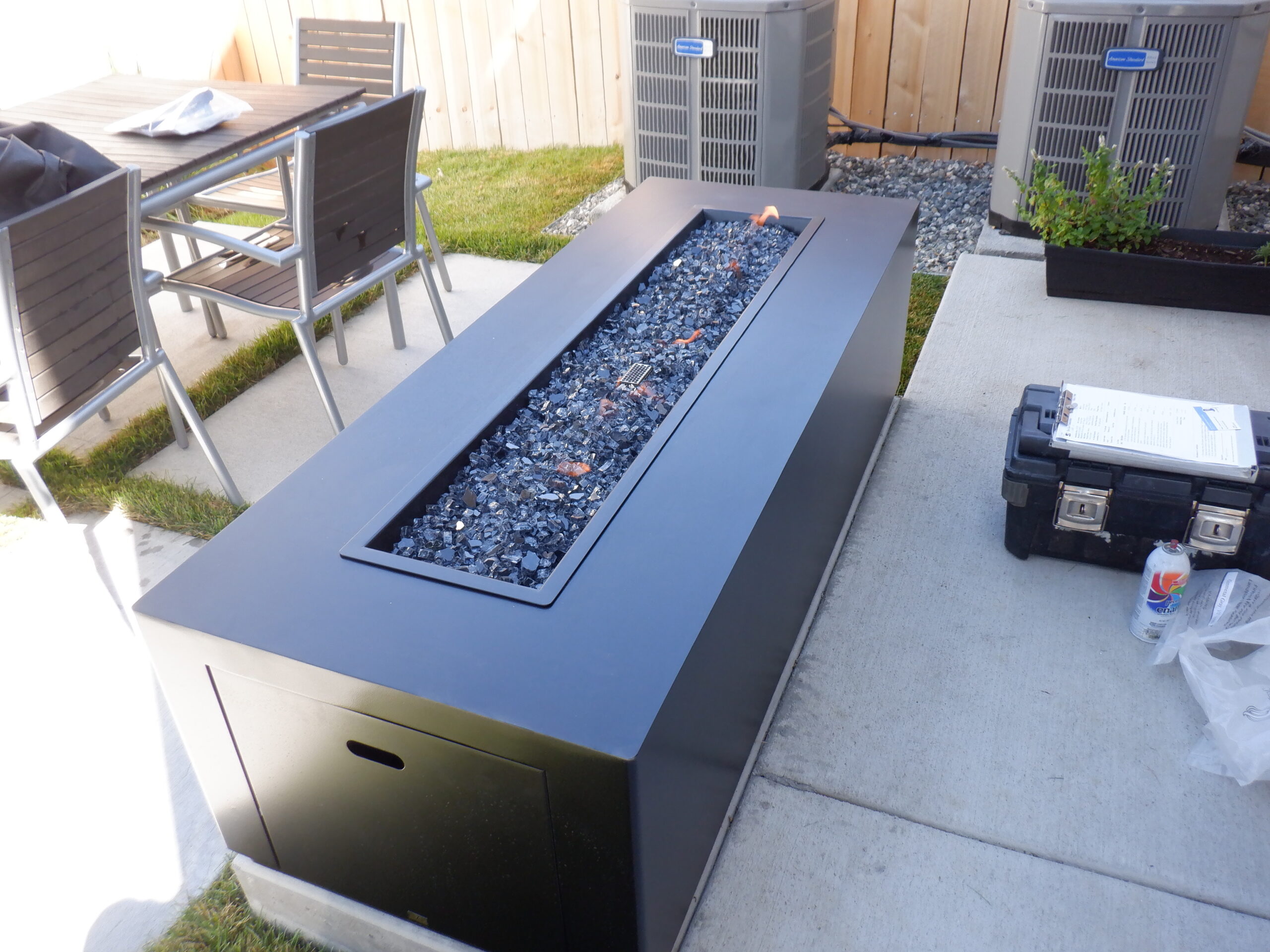
Inspect the Heater and Gas Connection Before Regular Winter Use
Start with the equipment while it is off and cool. Outdoor heaters face dust, moisture, wind, debris, and temperature swings that indoor appliances may not experience. A visual check cannot replace professional testing, but it can reveal obvious conditions worth addressing before the first cold-weather startup.
Review these areas:
- Clear leaves, nests, and loose debris from around the heater without dismantling protected components.
- Check visible flexible connectors and fittings for damage, corrosion, kinks, or signs of physical wear.
- Confirm that the manual shutoff remains accessible and is not blocked by furniture or seasonal storage.
- Review the manufacturer’s lighting and shutdown instructions before using a heater that has been idle.
- Keep the area around the burner and heat outlet free from combustible materials and unnecessary clutter.
Our article on outdoor patio gas lines explains why outdoor appliances depend on proper line sizing, pressure, materials, and code-compliant installation. A heater may be only one appliance on the system, so a performance problem can involve more than the unit itself.
If you smell sulfur or rotten eggs, hear hissing, or suspect a gas leak, move away from the area and contact the gas utility, fire department, or emergency service from a safe location. Do not try to locate a leak with a flame or continue operating the heater.
Test Operation Before the First Cold-Weather Gathering
Do not make the first winter startup five minutes before guests arrive. Operate the heater according to its manufacturer’s instructions on a calm day, observe ignition and flame behavior, and note anything unusual. Outdoor wind can affect some heaters, but repeated shutdowns or weak performance should not automatically be blamed on weather.
Watch for these warning signs:
- Delayed ignition or repeated failure to light after following the normal startup procedure.
- A burner that shuts down repeatedly or cannot maintain a stable flame.
- Weak heat output that appears different from the heater’s normal performance.
- Visible damage, corrosion, or loose components around the appliance connection or supply line.
- Gas odors, unusual sounds, or any condition that makes continued operation feel unsafe.
Our guide to outdoor gas planning discusses appliance demand, line distance, pressure, and total system capacity. Those factors matter when a patio heater shares a gas supply with grills, fire features, or other outdoor appliances that may operate at the same time.
Cold weather does not automatically mean a gas line needs replacement. A technician can evaluate whether the issue is at the appliance, connection, regulator, valve, or piping before recommending repair or modification.
Schedule Qualified Gas Work When the System Needs More Than a Visual Check
Natural gas systems should not be modified as a do-it-yourself winter project. If the heater needs a new connection, the line is damaged, pressure seems inadequate, or the system requires formal leak or pressure testing, the work should be handled by qualified gas professionals.
Professional preparation may include:
- Evaluating the gas line for correct sizing and capacity based on the connected appliance load.
- Checking fittings, shutoffs, connectors, and accessible piping for conditions that require repair.
- Testing the system when service history or symptoms indicate a pressure or leak concern.
- Coordinating permitted gas-line changes or appliance hookups when an outdoor area is being upgraded.
- Confirming that completed work matches applicable site, utility, manufacturer, and local requirements.
Our team also maintains OQ Qualification, or Operator Qualification, for applicable covered gas-system tasks. This allows properly qualified personnel to work on sites where those tasks must be performed by certified or qualified workers. OQ is task-specific and does not replace licensing, permits, inspections, or other project requirements.
For homes, commercial properties, contractor-led projects, and regulated sites, that distinction matters. The technician performing the work should be qualified for the actual gas-system task involved, especially when an outdoor heater is connected to a larger or more complex system.
Winter preparation is ultimately about dependable operation, not simply producing a larger flame. Check the heater before cold weather becomes routine, keep the outdoor area clear, follow the manufacturer’s operating instructions, and call for service when performance or safety concerns point beyond normal homeowner maintenance.
Get Your Patio Heat Ready Before Colorado Temperatures Drop
If your natural gas patio heater needs a new line, connection, inspection, or gas-system evaluation, contact The Gas Connection for professional service. We can assess the system, explain repair or installation options, and provide OQ-qualified expertise for applicable sites and covered gas-system work.