Gas leaks are among the most serious hazards a homeowner or property manager can face. Beyond the immediate safety concerns, gas leaks create complex insurance implications that many people overlook. When leaks occur, insurers evaluate not only the damage but also whether proper maintenance, timely action, and professional inspection were performed. Understanding how gas leaks affect liability is essential for protecting property, safety, and coverage.
Homeowners often assume insurance will automatically cover damage caused by gas leaks, but this is not always the case. Insurance companies examine the cause of the leak, the property’s maintenance history, and whether the homeowner took reasonable steps to prevent the issue. Awareness of these factors strengthens both safety practices and insurance preparedness.
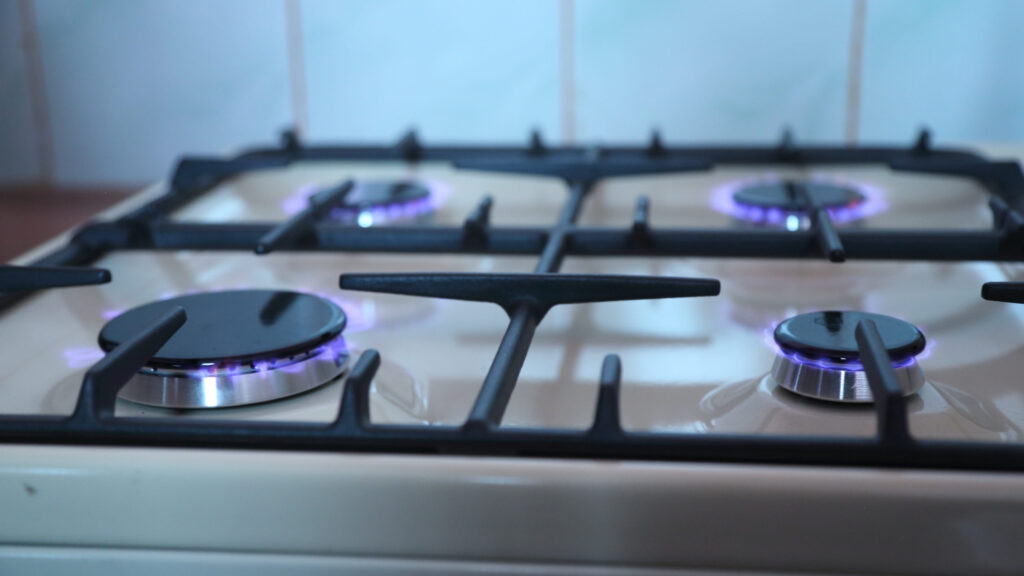
How Gas Leaks Develop and Why They Are High Risk
Gas leaks can occur in several areas, including appliances, supply lines, valves, or aging infrastructure. Even a small leak can release enough gas to create a dangerous environment. Insurance companies take these events seriously because of the potential for fires, explosions, or structural damage.
Common causes of gas leaks include:
- Aging or deteriorating gas lines that weaken over time
- Faulty appliance connections or worn components
- Improper installation that leads to loose fittings or gaps
- Damage from construction, soil movement, or environmental stress
Gas leaks are often silent and gradual, making them harder to detect. Homeowners may not notice early signs until odors, appliance issues, or malfunctioning equipment become apparent. For instance, poor performance in heating appliances may indicate hidden issues that relate closely to routine maintenance. Issues like these are explored in discussions around fireplace tune-up needs, which highlight how neglected systems can contribute to leaks.
Because of the safety risks involved, gas leaks are considered high liability events for insurers. A single incident can cause extensive property damage that requires significant investigation and documentation.
Insurance Expectations When Gas Leaks Occur
When a gas leak results in damage, insurance companies investigate how the leak developed and whether the property owner acted responsibly. This evaluation helps determine whether the claim is fully covered, partially covered, or denied.
Insurance companies typically review:
- Whether the homeowner maintained appliances and gas lines properly
- How quickly the leak was reported or addressed
- Whether licensed professionals inspected or repaired the system
- The role of negligence or delayed action in worsening the damage
If an insurer determines that the leak could have been avoided with proper maintenance or faster response, liability may shift to the homeowner. This can affect the payout or even lead to claim denial.
Insurance policies usually exclude damage caused by negligence or failure to maintain essential systems. Because gas lines age and appliances require ongoing care, documentation becomes crucial.
Documentation That Protects Homeowners During Claims
Documentation plays a defining role in how insurers evaluate claims related to gas leaks. Homeowners who can demonstrate regular inspections, timely repairs, and professional involvement are in a stronger position to secure full coverage.
Helpful documentation includes:
- Records of appliance servicing or gas line inspections
- Proof of prompt action taken once an issue was discovered
- Receipts from licensed professionals who performed repairs
- Notes or photographs showing early signs of malfunction
Without clear documentation, insurers may assume the problem was preventable. A well-maintained system shows that the homeowner took reasonable steps to reduce risks, which helps support the claim.
Property managers benefit even more from strong record-keeping. Commercial spaces, in particular, face a higher risk and greater scrutiny. The concerns discussed in our article on commercial gas emergencies illustrate how quickly a situation can escalate and how vital proper paperwork becomes after an incident.
Why Professional Intervention Matters for Liability Protection
Gas leaks demand immediate and expert attention. Insurance companies expect homeowners to involve licensed professionals rather than attempting repairs on their own. DIY attempts not only increase safety risks but may void coverage if insurers determine the work was improper.
Professional intervention helps by:
- Ensuring accurate detection through equipment and expertise
- Identifying hidden issues that homeowners might overlook
- Providing certified documentation required by insurance carriers
- Preventing further damage through compliant repairs
Insurance companies favor claims backed by professional reports because they confirm the cause of the leak and prove that proper steps were taken. Professionals also ensure the system meets current safety standards, which reduces future risk.
DIY approaches, on the other hand, can complicate claims. If insurance investigates and finds evidence of unlicensed work, liability may shift entirely to the homeowner.
Long-Term Practices That Reduce Liability Exposure
Proactive gas system maintenance significantly reduces the likelihood of leaks and strengthens insurance protection. Property owners who stay ahead of potential problems demonstrate a commitment to safety and responsibility, which insurers look for when assessing claims.
Long-term protection includes:
- Scheduling routine inspections for gas lines and appliances
- Replacing aging components before they fail
- Monitoring performance changes in heaters, stoves, and fireplaces
- Ensuring proper ventilation and airflow around all gas-powered units
These practices prevent leaks from going unnoticed and support a well-documented maintenance history. Homeowners who take these steps strengthen their position during a claim review and greatly reduce exposure to liability disputes.
A Safer Path Toward Liability Protection
For expert gas line inspections, reliable repairs, and professional documentation that supports your insurance needs, reach out to The Gas Connection.