Compressed air supports a wide range of commercial operations, from production floors to service bays and packaging areas. Installing an air line system is not a quick add-on. It is an infrastructure project that affects safety, reliability, and how efficiently teams work day to day. From an expert perspective, the best outcomes come from careful planning, correct sizing, and professional installation that matches real building demands.
Commercial systems must deliver consistent pressure, minimize leaks, and handle changing loads throughout the day. When the design is right, an air line network supports smooth tool performance and helps reduce unplanned downtime. When the design is rushed, pressure drops, moisture issues, and frequent repairs can follow. Knowing what to expect helps facility managers and owners make informed decisions and avoid expensive rework.
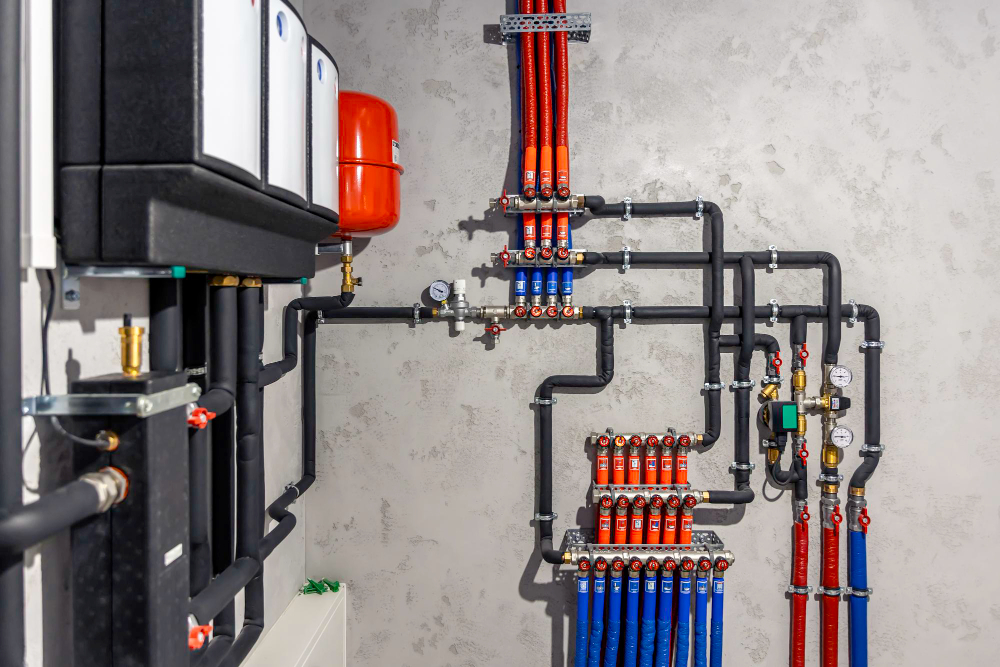
Planning requirements before an air line installation begins
Every building has different air demands. The number of workstations, the type of equipment, and the hours of operation all influence system design. Planning is the most important stage because the decisions made here shape performance for years.
Professionals typically evaluate:
- Peak demand based on tools and equipment usage
- Required pressure at each workstation or zone
- Building layout, routing options, and access points
- Future needs, such as adding drops or expanding production
This phase also helps clarify priorities, such as whether the system should be optimized for high-flow tools, multi-shift use, or flexibility. Reviewing upgrade questions early can help align the new system with operational goals instead of guessing and adjusting after installation.
How professionals assess layout, routing, and pressure stability
An air line system must move compressed air efficiently across distance without losing pressure. Routing is not only about convenience. It affects flow consistency, maintenance access, and how hard the compressor has to work to meet demand.
Assessment usually focuses on:
- Designing runs that minimize sharp turns and restrictions
- Locating drops where teams actually use tools most often
- Separating high-demand zones from low-demand zones
- Creating access points for servicing, inspection, and future changes
A strong design accounts for real-world usage, such as multiple stations running at once. This reduces pressure fluctuation that can slow work or cause equipment inconsistency. When routing and sizing are done correctly, the system supports predictable performance even during peak activity.
Materials and installation standards that protect performance
Material selection directly affects durability and safety. Commercial air line systems must handle sustained pressure, temperature variation, vibration, and continuous operation. Professionals select materials based on use case, code considerations, and long-term reliability.
Common priorities include:
- Pipe and fitting compatibility with compressed air applications
- Resistance to corrosion and moisture-related wear
- Joint integrity designed to prevent leaks over time
- Secure mounting that reduces vibration and stress on connections
Installation standards matter just as much as material selection. Proper support spacing, safe routing around electrical areas, and careful sealing reduce future leak risks. Professional installation also supports inspection readiness and ensures system performance matches the design intent.
What installation timelines and disruptions typically look like
Commercial projects are usually planned to reduce operational interruption. Rather than shutting down a full facility, professionals typically stage installation by zone and schedule tie-ins around production requirements.
During installation, businesses can expect:
- A defined work sequence that keeps key areas operational when possible
- Temporary shutdowns limited to specific locations
- Pressure testing and leak checks before system activation
- Final walkthrough and performance verification at critical endpoints
A structured installation approach improves safety and reduces the chance of overlooked issues. The goal is a system that comes online cleanly, supports daily workflow immediately, and avoids early performance surprises.
Long-term efficiency and maintenance expectations
An air line system is a long-term asset. Performance should remain stable when the system is designed for the building, installed correctly, and maintained with routine checks. Professionals often design systems with accessibility in mind so maintenance tasks remain straightforward instead of disruptive.
Over time, facilities benefit from:
- Stable pressure delivery across multiple drops
- Lower energy waste from reduced leak potential
- Faster troubleshooting when changes or issues occur
- Improved reliability that supports consistent production
Understanding industrial benefits can help clarify how a properly installed compressed air network supports efficiency, productivity, and long-term cost control.
Set up a system that supports daily operations
Installing an air line system is an investment in performance, safety, and operational continuity. For expert planning and professional installation support, contact The Gas Connection to discuss solutions designed for commercial building demands.