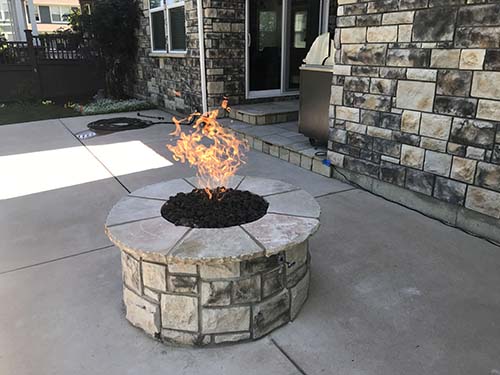
Upgrading Gas Lines for Outdoor Patios
Outdoor living spaces have evolved far beyond simple seating areas. Today’s homeowners are transforming patios into fully functional extensions of their indoor environments. Features like outdoor kitchens, gas fire pits, and heating systems add comfort and convenience but require one essential element for safe operation: a properly installed and upgraded gas line. Upgrading an existing line ...
Read More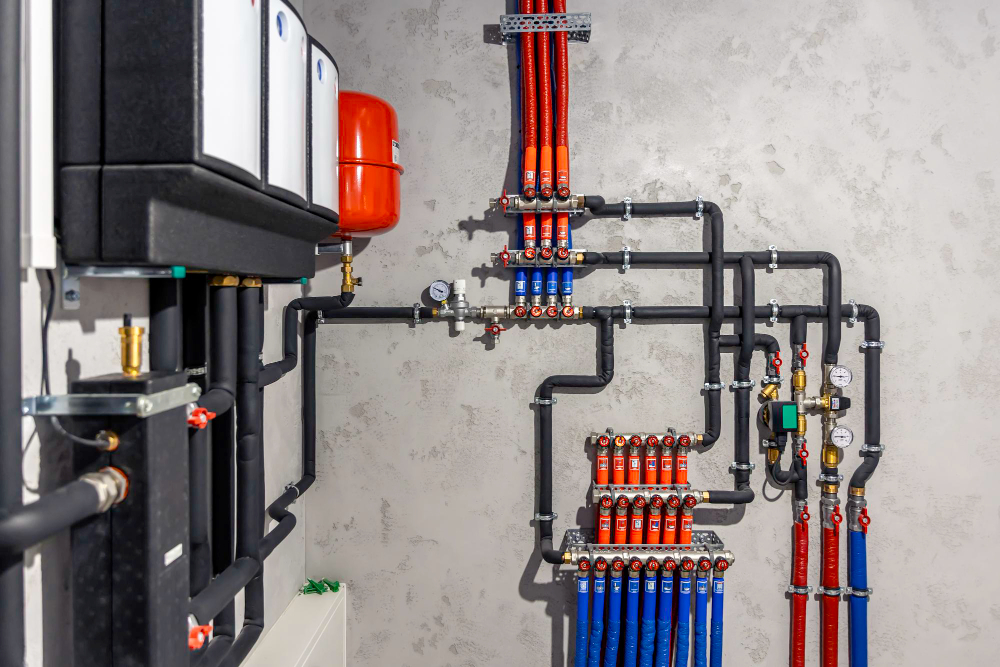
Emergency Gas Leak Repair for Commercial Properties
When it comes to commercial buildings, gas leaks are among the most serious emergencies a property owner or manager can face. They can occur unexpectedly, often without obvious warning, and put both people and property at risk. The need for fast, precise gas leak repair cannot be overstated. Commercial properties rely heavily on gas lines for heating, cooking, and industrial processes. When ...
Read MoreCompressed Air Line Failures: Warning Signs You Can’t Ignore
Compressed air systems are the unseen backbone of many commercial and industrial facilities. From powering pneumatic tools to supporting HVAC and manufacturing operations, these systems must function with precision and consistency. When a compressed air line begins to fail, however, even minor leaks or pressure drops can escalate into major operational and safety concerns. Recognizing the ea...
Read More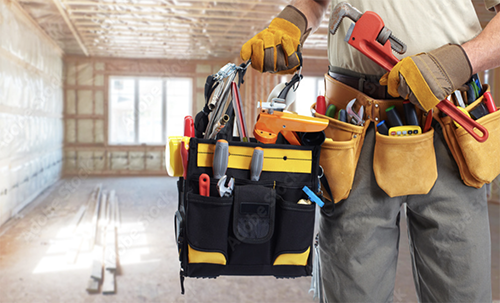
Commercial Gas Emergencies: Who Should You Call?
A commercial gas emergency can put both people and property at risk within minutes. In a business setting, the stakes are even higher because employees, customers, and equipment are all exposed to potential harm. Recognizing early warning signs is the first step to staying safe. Common indicators of a gas issue include: Unusual smells: The distinct odor of sulfur or rotten eggs is th...
Read More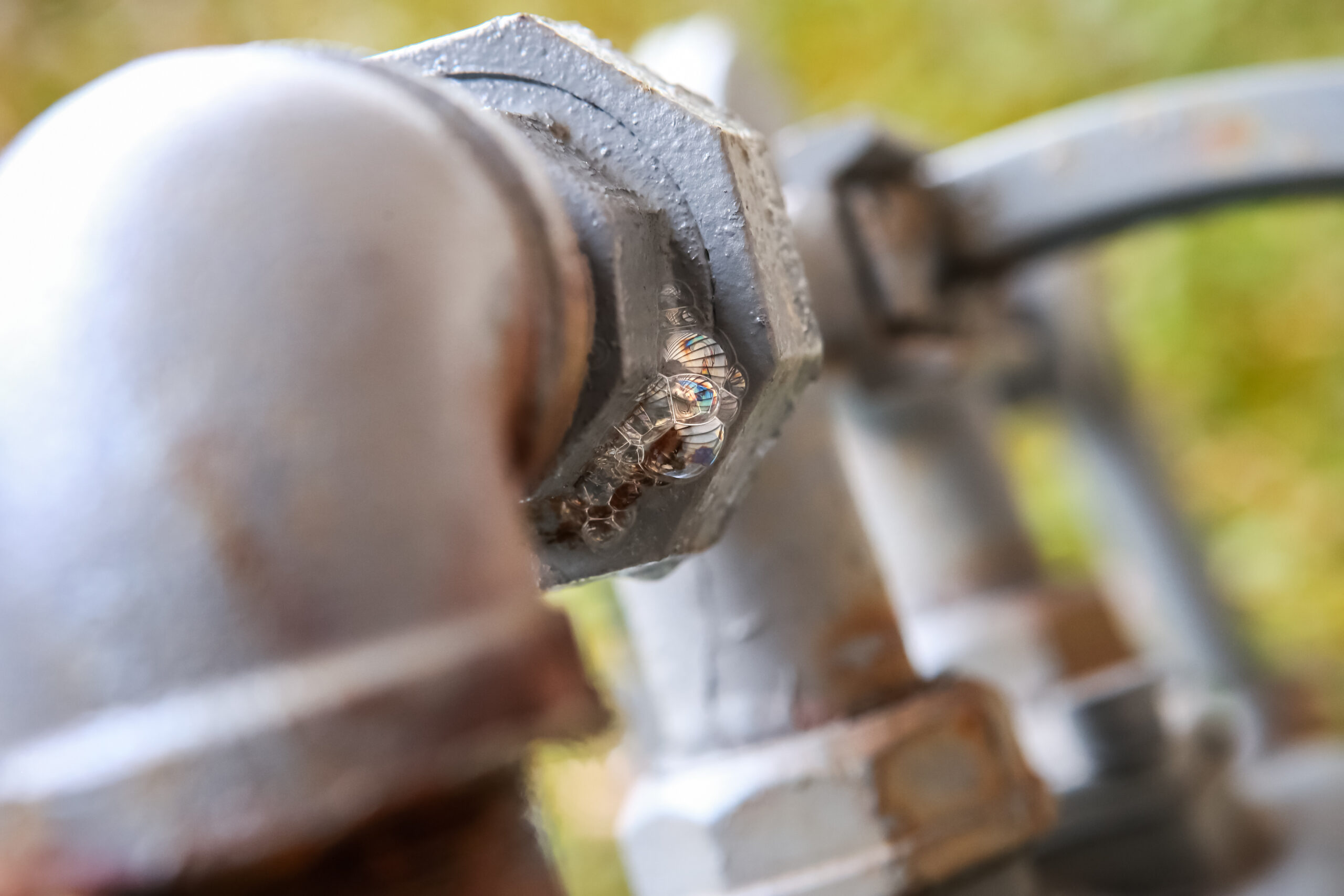
Why Should You Avoid DIY Gas Pipe Modifications
Gas systems are essential for heating, cooking, and powering appliances, but they are also among the most dangerous utilities in any property when handled incorrectly. While do-it-yourself projects may save money with simple household fixes, gas pipe modification is not one of them. The complexity of gas systems, combined with the risks of leaks and explosions, makes this work strictly a job fo...
Read More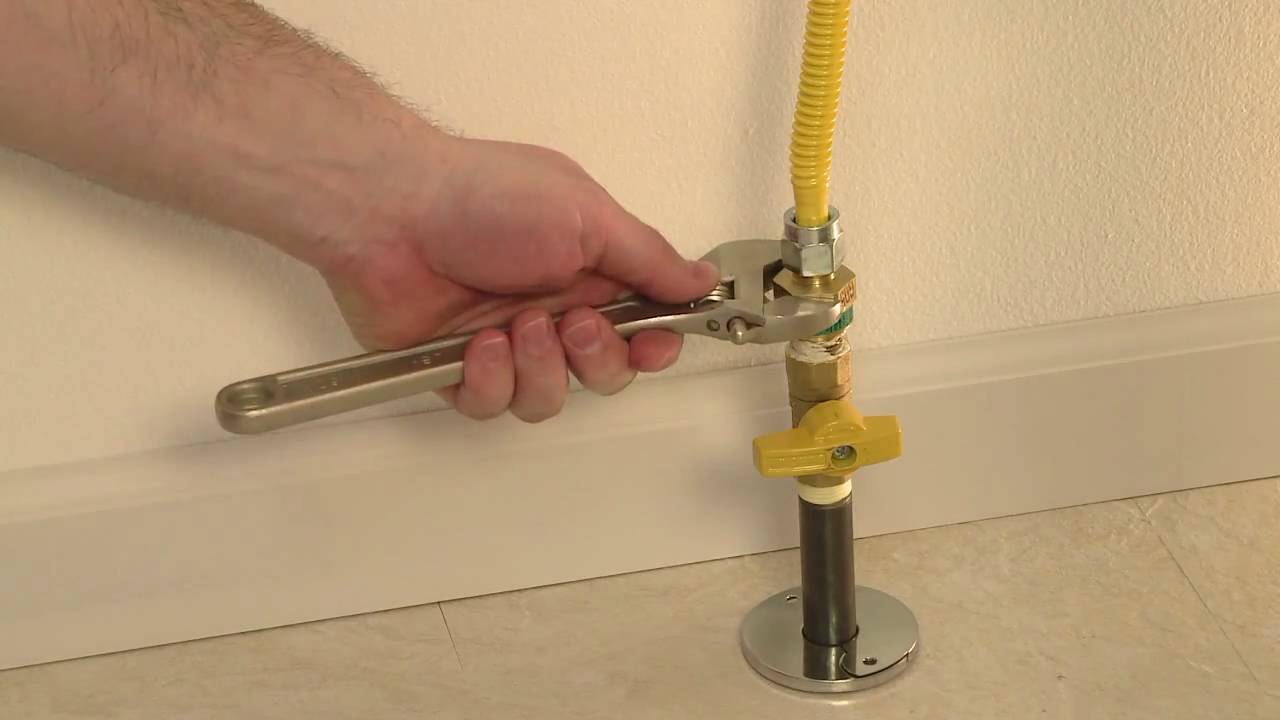
Gas Line Safety Tips for Property Managers
Property managers have a long list of responsibilities, from maintenance scheduling to tenant communication. Among the most critical tasks is ensuring gas line safety. Gas systems provide heat, hot water, and cooking fuel, but they can also become hazardous if overlooked. A poorly maintained system increases the risk of leaks, explosions, and regulatory violations, making proactive oversight es...
Read More- « Previous Page
- 1
- 2
- 3
- 4
- 5
- 6
- …
- 28
- Next Page »