A new gas range, tankless water heater, or outdoor fire pit can change what your existing piping system needs to deliver. The old line may have served one appliance without trouble for years, but that does not mean it can support two new appliances safely. First, understand total system demand.
We evaluate gas-line upgrades across Denver, Boulder, and neighboring Colorado communities. Our detailed work starts with the appliances being added, their fuel requirements, and the route from the meter or propane supply. An assessment shows whether a new branch or greater capacity is needed.
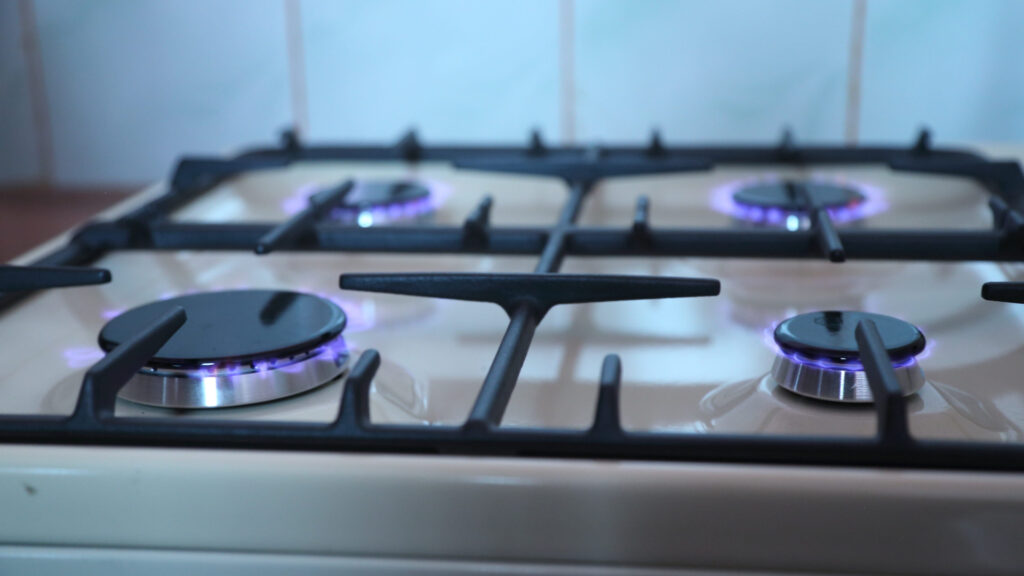
Additional Appliances Change the Total Gas Demand
Gas piping is sized to deliver adequate fuel at the required pressure when connected equipment operates as intended. Each appliance has a rated input, commonly expressed in British thermal units per hour. Adding a high-demand appliance can increase the combined load enough to exceed what an older pipe or meter can deliver.
Projects that deserve a capacity review include:
- Kitchen renovations: A larger gas range or cooktop may need a different supply arrangement.
- Water-heater changes: Tankless models can have substantial input requirements compared with some older units.
- Outdoor additions: Fire pits, grills, and patio heaters may require long new piping runs.
- Heating upgrades: Furnaces, fireplaces, or boilers may change the property’s total demand.
- Backup power: A standby generator can add a significant load during simultaneous operation.
A new appliance does not automatically require replacing every gas line. A qualified installer calculates the connected loads and reviews existing pipe sizes, lengths, materials, and available pressure. Our article on increasing gas capacity explains why total appliance demand, rather than the age of a single connection, often drives the decision.
Provide appliance specifications before the estimate so the contractor can evaluate location and capacity.
Pipe Sizing, Meter Capacity, and Condition All Matter
Adding another branch is not just a matter of connecting a tee. Pressure loss increases along a run, and pipe diameter, fittings, distance, and the fuel type affect the amount of gas that can be delivered. A line suitable for a small fireplace may not be appropriate for a larger outdoor installation.
We review practical details such as:
- Existing pipe sizing: The main and branch lines must match the calculated demand and applicable code.
- Distance and routing: Long runs and multiple fittings can affect pressure loss and installation choices.
- Meter or regulator capacity: The supply equipment may need utility coordination if the total load rises.
- Piping condition: Corrosion, damage, or outdated configurations can change whether reuse is appropriate.
- Appliance location: Outdoor exposure, clearances, shutoff access, and protection influence the design.
A weak burner flame or inconsistent operation may justify investigation, but it does not prove that the pipe is undersized. Other faults can produce similar symptoms. Testing and calculations are needed before recommending an upgrade.
Our guide to safe appliance gas lines explains why correct sizing, pressure, and testing belong in the same planning process. Changing the meter or regulator may also require approval from the gas utility. Requirements vary by utility and jurisdiction.
Property owners should never experiment with gas pressure, adapt mismatched connectors, or assume an unused pipe is ready for a larger appliance. Improper connections and inadequate supply can create serious safety risks.
A Qualified Installation Includes Testing and Coordination
A successful upgrade must do more than make the new appliance ignite. The piping and components need to meet applicable standards, and the system must be checked before normal operation. For construction or renovation projects, we coordinate the scope with the homeowner, contractor, local authorities, and utility when required.
A typical professional process may include:
- Load assessment: We calculate the expected demand of existing and proposed appliances.
- Route planning: The installation is designed around access, protection, materials, and code requirements.
- Permit review: Applicable local approvals and inspections are identified before the work proceeds.
- Installation and testing: Qualified technicians complete piping work and verify system integrity.
- Final checks: Connections, appliance operation, and relevant documentation are reviewed before use.
Our installers hold OQ Qualification (Operator Qualification), which supports work on gas-system sites requiring certified personnel for covered tasks. That includes certain utility-related, commercial, and regulated projects. OQ confirms task-specific qualifications; it is not a substitute for local licenses, permits, inspections, or the requirements of the system operator. This distinction helps contractors select the right team for more demanding job sites.
Upgrading capacity can also be an opportunity to address older routing or damaged sections, but those improvements should follow inspection findings rather than a blanket replacement recommendation. Before selecting a new appliance, bring its specifications to a qualified installer. Early planning helps prevent delays and unsuitable connections.
Plan the Gas Supply Before the Appliance Arrives
If you are adding a range, fireplace, generator, or outdoor feature, contact The Gas Connection for gas-line sizing, installation, and upgrade guidance. We can assess the proposed load, explain code and utility considerations, and plan appropriate testing.